
Divers FAQ's
Dive Skills
Enhancing Your
Dive Skills?
Dive Skills
The force of buoyancy is predicted by Archimedes’ Principle, which says:
An object wholly or partly immersed in a fluid is buoyed up by a force equal to the weight of the fluid displaced by the object.
This means that the amount of buoyancy – upward force – is based on how much fluid the object displaced and the weight of the fluid displaced.
Weight of Water
Fresh Water: 1 litre weighs 1 kilogram/1 cubic foot weighs 62.4 pounds
Saltwater: 1 litre weighs 1.03 kilograms/1 cubic foot weighs 64 pounds
The denser the fluid the more upward force (buoyancy) you get for a given volume of displacement. Saltwater is denser and weighs more than fresh water because of its dissolved salts.
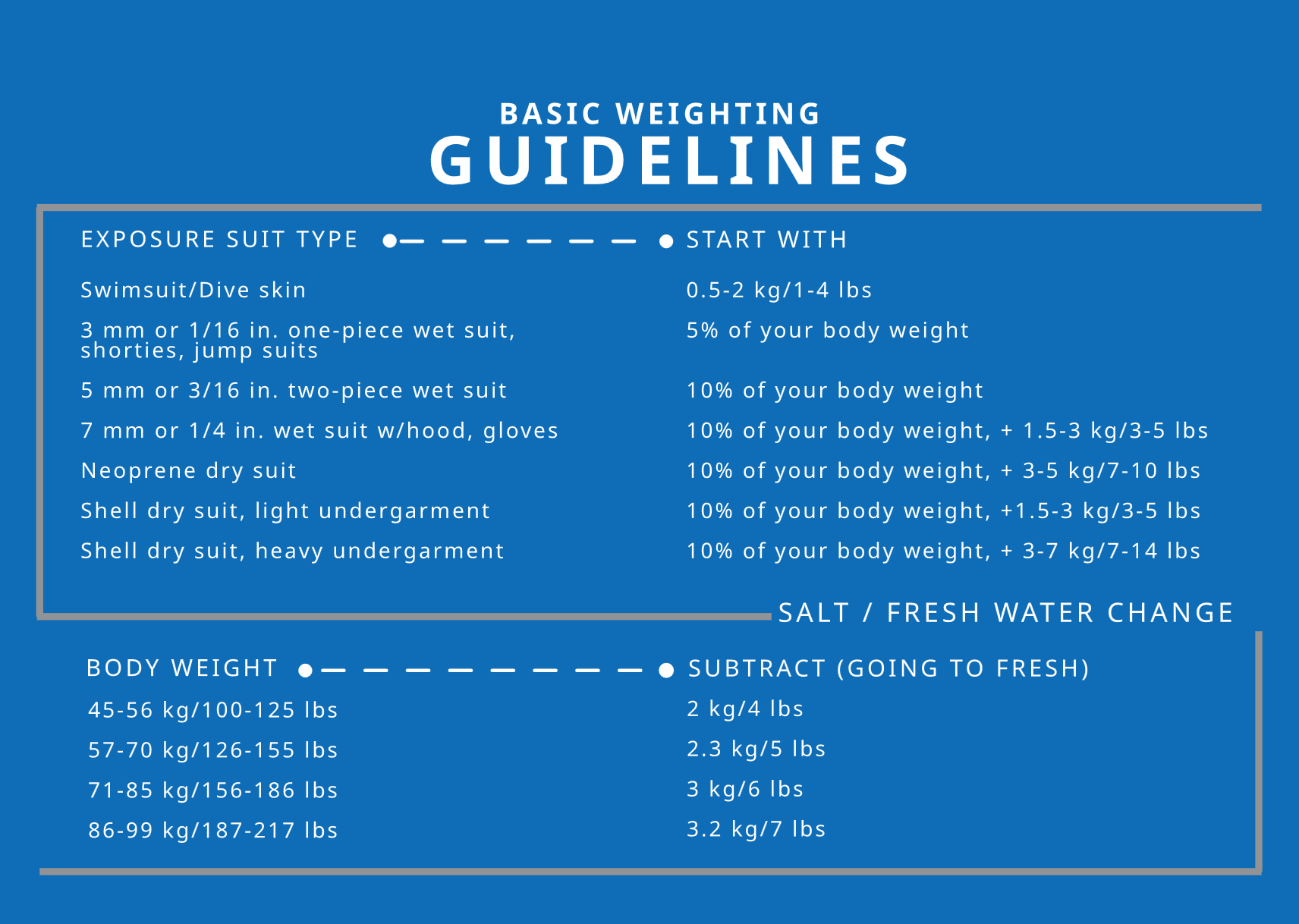
The difference between fresh and salt water may not look like much, but it’s enough that you need more weight when diving in the ocean than in a lake, assuming you’re using the same exposure suit and other gear.
More Questions? We’ve got you Covered!
Frequently Asked Questions
Certification
- How long does it take to complete a course?
- Do I need to prepay for a course or fun dive?
- How much time do I need to dedicate to eLearning?
- Does my course expire?
- Do I need to know how to swim?
- Do I need medical clearance to dive?
- Can I Fly after diving?
- When do I need to take a refresher (ReActivate) session after a period of activity?
- What should I bring when I come diving?
- How long will it take for my certification to be processed?
- Can I scuba dive without certification?
- How deep can I go with my PADI certification or experience?
- Can I dive with a PADI certification anywhere in the world?
- Does PADI certification expire?
- Will I receive a plastic certification card?
- Continue Education
Explore More
- How long does it take to complete a course?
- Do I need to prepay for a course or fun dive?
- How much time do I need to dedicate to eLearning?
- Does my course expire?
- Do I need to know how to swim?
- Do I need medical clearance to dive?
- Can I Fly after diving?
- When do I need to take a refresher (ReActivate) session after a period of activity?
- What should I bring when I come diving?
- How long will it take for my certification to be processed?
- Can I scuba dive without certification?
- How deep can I go with my PADI certification or experience?
- Can I dive with a PADI certification anywhere in the world?
- Does PADI certification expire?
- Will I receive a plastic certification card?
- Continue Education
General Queries
- Operating Hours
- Contact Us
- Payment Method
- Servicing Diving Gear?
- Do You Sell diving gear?
- Cancellation Policy
- Why is Khorfakkan Famous?
- Which Ocean does khorfakkan look at?
- Is khorfakkan good for Scuba Diving?
- Things to pack for diving
Explore More
- Operating Hours
- Contact Us
- Payment Method
- Servicing Diving Gear?
- Do You Sell diving gear?
- Cancellation Policy
- Why is Khorfakkan Famous?
- Which Ocean does khorfakkan look at?
- Is khorfakkan good for Scuba Diving?
- Things to pack for diving
Nitrox eRDPml
- eRDP
- Nitrox eRDPml
Explore More
- eRDP
- Nitrox eRDPml
Think Like a Diver
- The Proper Dive Buddy Check – How Do You Say BWRAF?
- Rules Every Diver Should Follow
- Top 10 Scuba Diving Rules
- 10 Things You Should Never Do Immediately After Diving
- Most Important Scuba Diving Abbreviations & Acronyms
- Diving Signals
- Marine Life Hand Signals
- Dive Briefing
- Boat Diving Guidelines
Explore More
- The Proper Dive Buddy Check – How Do You Say BWRAF?
- Rules Every Diver Should Follow
- Top 10 Scuba Diving Rules
- 10 Things You Should Never Do Immediately After Diving
- Most Important Scuba Diving Abbreviations & Acronyms
- Diving Signals
- Marine Life Hand Signals
- Dive Briefing
- Boat Diving Guidelines
PADI Theory - Physics
- Physics
Explore More
- Physics
PADI Theory - Physiology
- Physiology
Explore More
- Physiology
PADI Theory - Equipment
- Cylinders
- Cylinder Valve
- More Equipment
Explore More
- Cylinders
- Cylinder Valve
- More Equipment
PADI Theory - Dive Skills
- Buoyancy – Proper Weighting Skills
Explore More
- Buoyancy – Proper Weighting Skills
PADI Theory - Environment
- 10 Tips to Save the Ocean
- What is Dive Against Debris?
Explore More
- 10 Tips to Save the Ocean
- What is Dive Against Debris?
Emergency First Response
- What is Emergency First Response (EFR) ?
- Who can take an Emergency First Response provider course?
- What is an AED and why would I want to learn about it?
- How often must I refresh my skills?
- What the Emergency First Response Course Covers?
Explore More
- What is Emergency First Response (EFR) ?
- Who can take an Emergency First Response provider course?
- What is an AED and why would I want to learn about it?
- How often must I refresh my skills?
- What the Emergency First Response Course Covers?
Rescue
- What Is the PADI Rescue Diver Course?
- What Does a Rescue Diver Actually Do?
- How Hard Is It To Become a Rescue Diver?
- What Prerequisites Do I Need To Take Part in a PADI Rescue Diver Course?
- How Many Dives Does It Take To Become a Rescue Diver?
- What Skills Do You Learn During the Rescue Diver Course?
- Why Do I Need First Aid Training To Do the Rescue Diver Course?
- Do I Really Need To Become a Rescue Diver? Is It Worth Taking the Course?
Explore More
- What Is the PADI Rescue Diver Course?
- What Does a Rescue Diver Actually Do?
- How Hard Is It To Become a Rescue Diver?
- What Prerequisites Do I Need To Take Part in a PADI Rescue Diver Course?
- How Many Dives Does It Take To Become a Rescue Diver?
- What Skills Do You Learn During the Rescue Diver Course?
- Why Do I Need First Aid Training To Do the Rescue Diver Course?
- Do I Really Need To Become a Rescue Diver? Is It Worth Taking the Course?
DAN Insurance
- Long term Dan Insurance Plan
- Short Term Dan Insurance Plan
Explore More
- Long term Dan Insurance Plan
- Short Term Dan Insurance Plan