
Divers FAQ's
Equipment
Diving Deep:
We Have the Answers to Your Gear Questions
Diving gear is the backbone of every unforgettable underwater experience, blending safety, performance and comfort into a single trusted kit. From mass market masks, fins, BCD, high -tech regulators & transmitters, & dive computers, the right equipment unlocks access to vibrant marine ecosystem while ensuring regular maintenance routine-ensures reliability, longevity, and confidence below the surface.
Your knowledge empowers safer dives, reduces downtime, and strengthens trust in your brand, driving loyalty in the diving industry. Remember to follow manufacture guidelines and seek professional service when needed.
Equipment
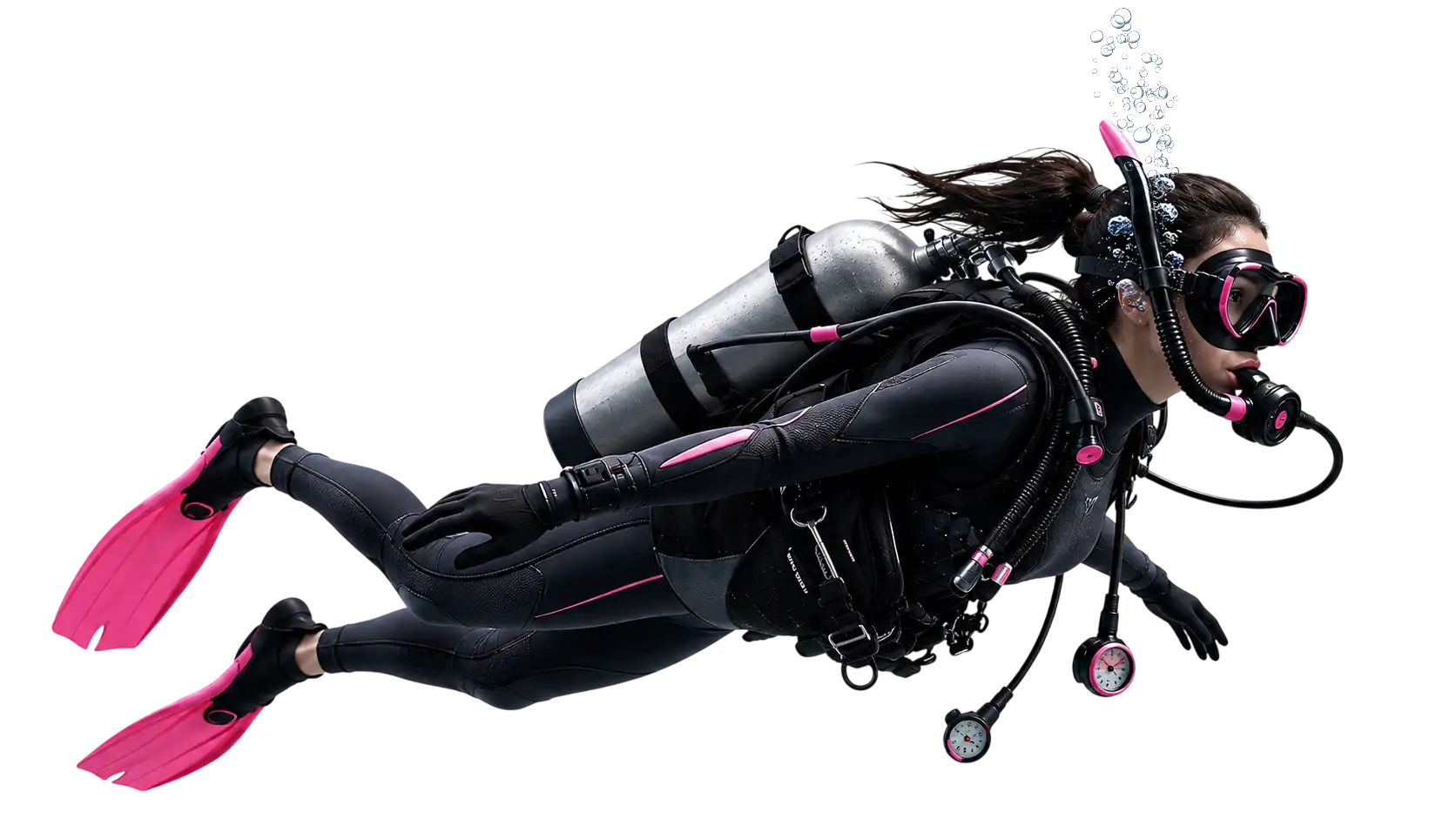
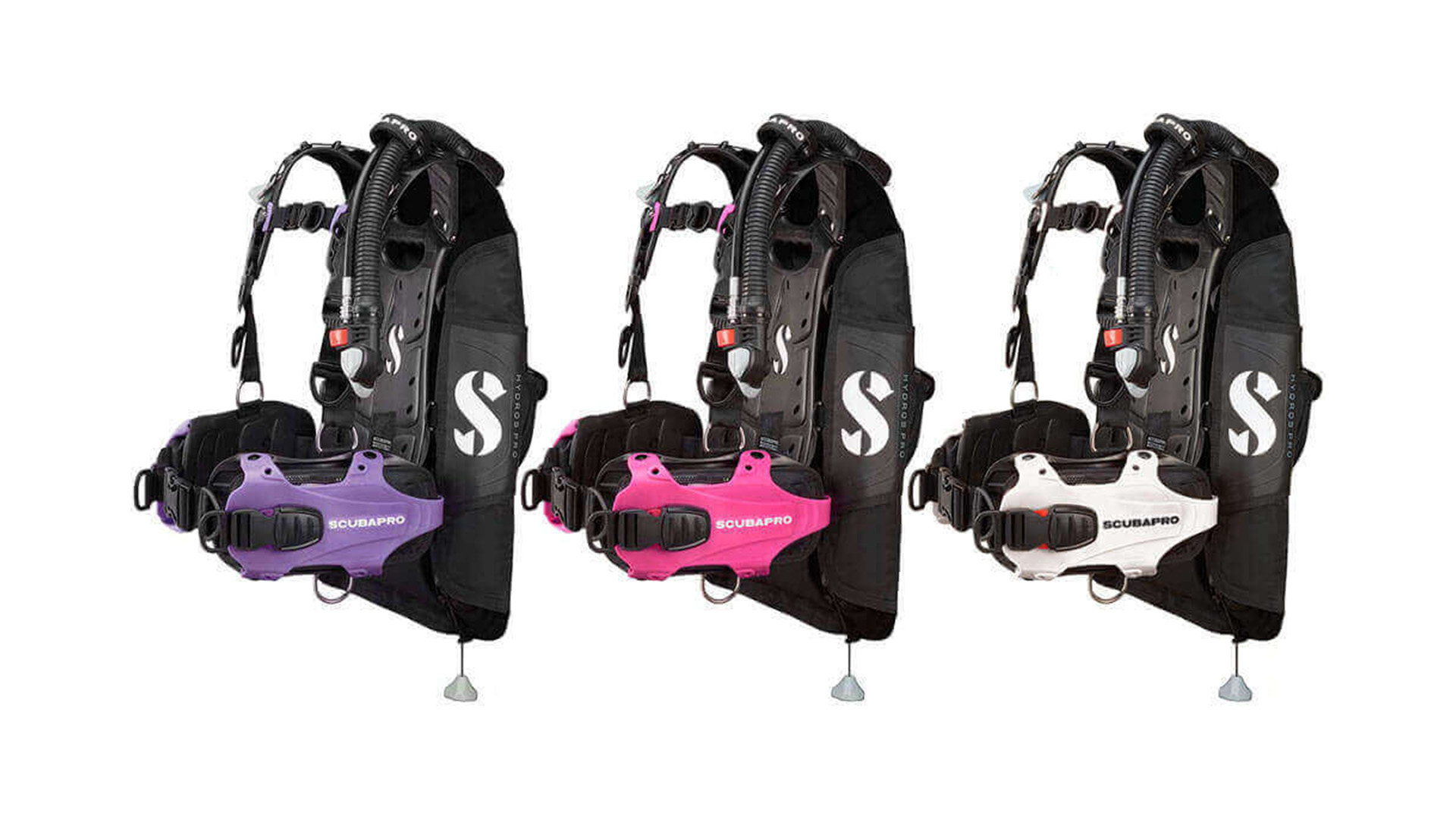
Types of Scuba Systems: Backmount, Sidemount, Twinsets, and More
How to choose the right rig for your diving
1. Backmount (double tank) system
- Two tanks worn on the back, mounted on a backplate and wing or on a Twinset.
- Common for technical diving and many recreational divers seeking redundancy and balance.
- Pros: Great trim, easy gas management, redundancy with two independent first stages.
- Cons: Bulkier, more gear to manage in tight spaces.
2. Single-tank backmount system
- A single cylinder mounted on the back, typically with a standard single-tank setup (often on a backplate and wing).
- Simpler, lighter, popular for recreational diving.
- Pros: Light and straightforward, easy to maneuver.
- Cons: Less gas redundancy.
3. Backplate-and-wing (BP/W) with single or twin tanks
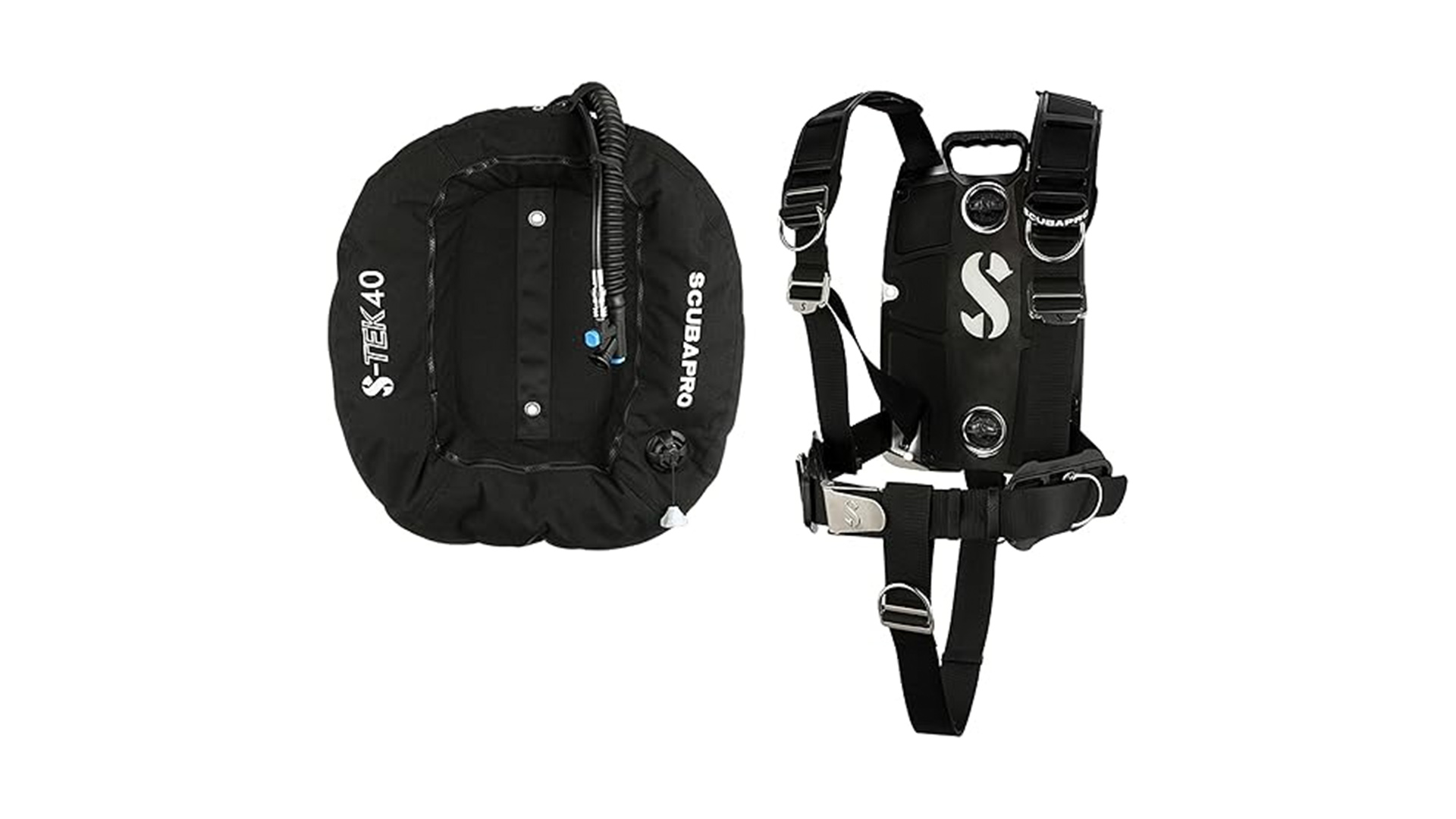
- A modular rig using a stainless steel or aluminum backplate, a wing buoyancy compensator, and harness.
- Used with both single and multiple tanks; highly customizable.
- Pros: Excellent stability, trim, and modularity; comfortable for long dives.
- Cons: More setup time; steeper learning curve.
4. Recreational Juniors and scooter system (on- or off-BCD configurations)
- Lightweight setups for travel or shallow recreational dives; may be single-tank with compact regulators.
- Pros: Travel-friendly, easier to manage.
- Cons: Limited redundancy.
5. Inflatables and integration (Sidemount, I-Side, etc.)
- Sidemount: Cylinders mounted at the diver’s sides, typically used in overhead environments; often uses two regulators and independent gas systems.
- Integrated systems: Some setups place smaller cylinders or use integrated first-stage regulators for streamlined configurations.
- Pros: Excellent gas management in complex environments; reduced buoyancy control complexity in some configs.
- Cons: More complex to configure and learn.
6. Twinset configuration
- Two identical tanks mounted on the back with independent regulators.
- Common in technical diving for large gas supplies and redundancy.
- Pros: Very high gas redundancy; balanced buoyancy.
- Cons: Heavier, more gear to manage; requires training.
7. Dolphin or pony bottle setups (stage and pony)
- Pony bottle: A small, independent cylinder carried as a gas reserve, often mounted on the main rig or integrated.
- Stage bottles: Larger than pony, used for extended dives or staged gas delivery in technical diving.
- Pros: Redundancy for emergencies; flexible gas management.
- Cons: Additional equipment and training needed.
8. Snorkel-only or minimal rigs (for travel or simplicity)
- Lightweight, minimal gear focused on surface oriented activities or training.
- Pros: Extremely portable and affordable.
- Cons: Limited depth and safety redundancy.
Key considerations when choosing a scuba system
- Dive type: recreational vs. technical; overhead environments vs. open water.
- Gas planning: required redundancy, gas volume, and expected depth/time.
- Buoyancy and trim: how the rig affects weight distribution and stability.
- Travel and logistics: gear size, weight, and compatibility with transport.
Types of Scuba Systems: Backmount, Sidemount, Twinsets, and More
How to choose the right rig for your diving
1. Backmount (double tank) system
- Two tanks worn on the back, mounted on a backplate and wing or on a Twinset.
- Common for technical diving and many recreational divers seeking redundancy and balance.
- Pros: Great trim, easy gas management, redundancy with two independent first stages.
- Cons: Bulkier, more gear to manage in tight spaces.
2. Single-tank backmount system
- A single cylinder mounted on the back, typically with a standard single-tank setup (often on a backplate and wing).
- Simpler, lighter, popular for recreational diving.
- Pros: Light and straightforward, easy to maneuver.
- Cons: Less gas redundancy.
3. Backplate-and-wing (BP/W) with single or twin tanks
- A modular rig using a stainless steel or aluminum backplate, a wing buoyancy compensator, and harness.
- Used with both single and multiple tanks; highly customizable.
- Pros: Excellent stability, trim, and modularity; comfortable for long dives.
- Cons: More setup time; steeper learning curve.
4. Recreational Juniors and scooter system (on- or off-BCD configurations)
- Lightweight setups for travel or shallow recreational dives; may be single-tank with compact regulators.
- Pros: Travel-friendly, easier to manage.
- Cons: Limited redundancy.
5. Inflatables and integration (Sidemount, I-Side, etc.)
- Sidemount: Cylinders mounted at the diver’s sides, typically used in overhead environments; often uses two regulators and independent gas systems.
- Integrated systems: Some setups place smaller cylinders or use integrated first-stage regulators for streamlined configurations.
- Pros: Excellent gas management in complex environments; reduced buoyancy control complexity in some configs.
- Cons: More complex to configure and learn.
6. Twinset configuration
- Two identical tanks mounted on the back with independent regulators.
- Common in technical diving for large gas supplies and redundancy.
- Pros: Very high gas redundancy; balanced buoyancy.
- Cons: Heavier, more gear to manage; requires training.
7. Dolphin or pony bottle setups (stage and pony)
- Pony bottle: A small, independent cylinder carried as a gas reserve, often mounted on the main rig or integrated.
- Stage bottles: Larger than pony, used for extended dives or staged gas delivery in technical diving.
- Pros: Redundancy for emergencies; flexible gas management.
- Cons: Additional equipment and training needed.
8. Snorkel-only or minimal rigs (for travel or simplicity)
- Lightweight, minimal gear focused on surface oriented activities or training.
- Pros: Extremely portable and affordable.
- Cons: Limited depth and safety redundancy.
Key considerations when choosing a scuba system
- Dive type: recreational vs. technical; overhead environments vs. open water.
- Gas planning: required redundancy, gas volume, and expected depth/time.
- Buoyancy and trim: how the rig affects weight distribution and stability.
- Travel and logistics: gear size, weight, and compatibility with transport.
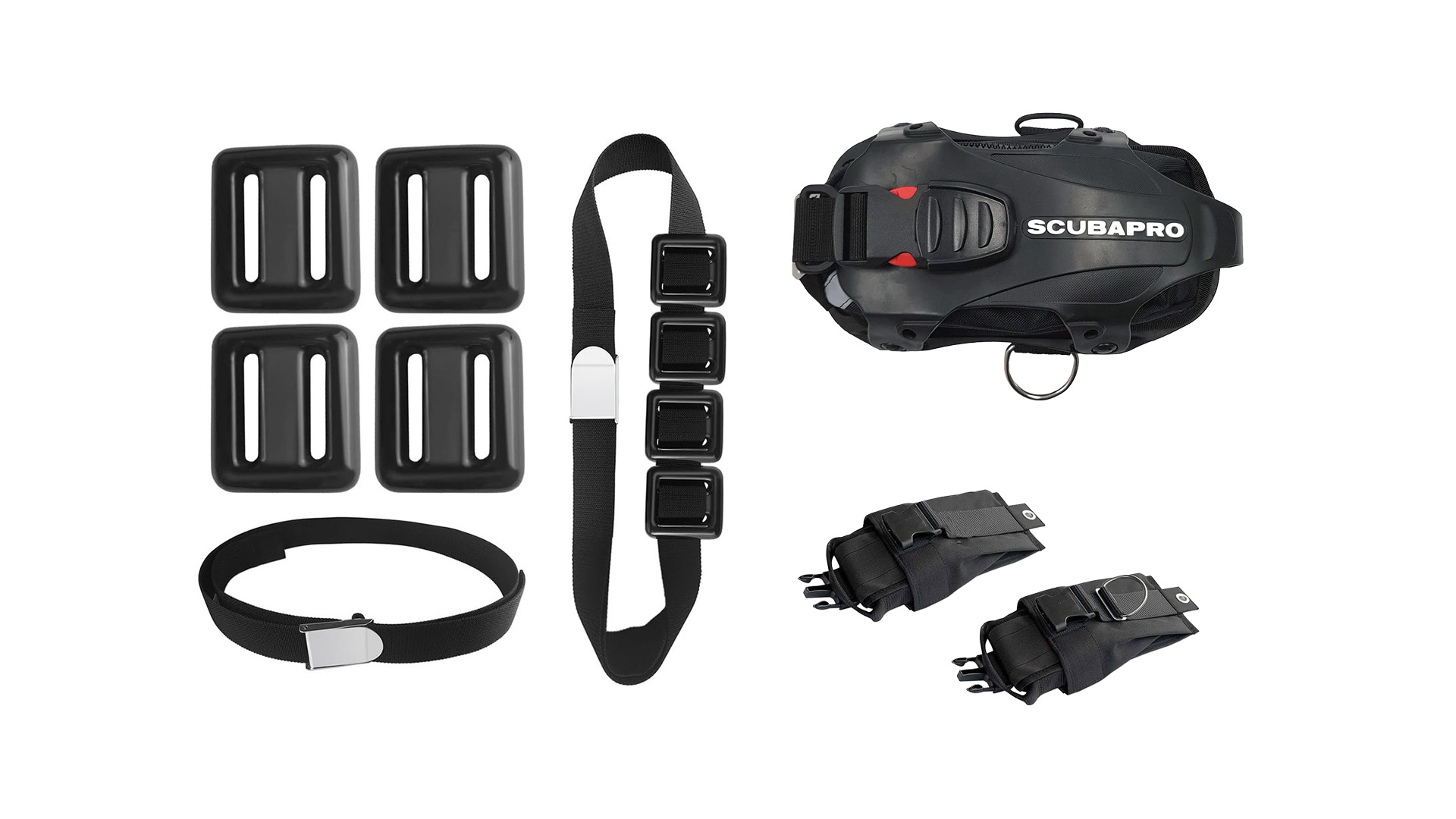
Scuba Weight System Guide: Belt, Pockets, and IWS
Choosing your first set of scuba gear is a rite of passage for any diver. From selecting the right integrated weight system to finding a regulator you can trust at depth, the right equipment isn't just about comfort—it's your life support system underwater."
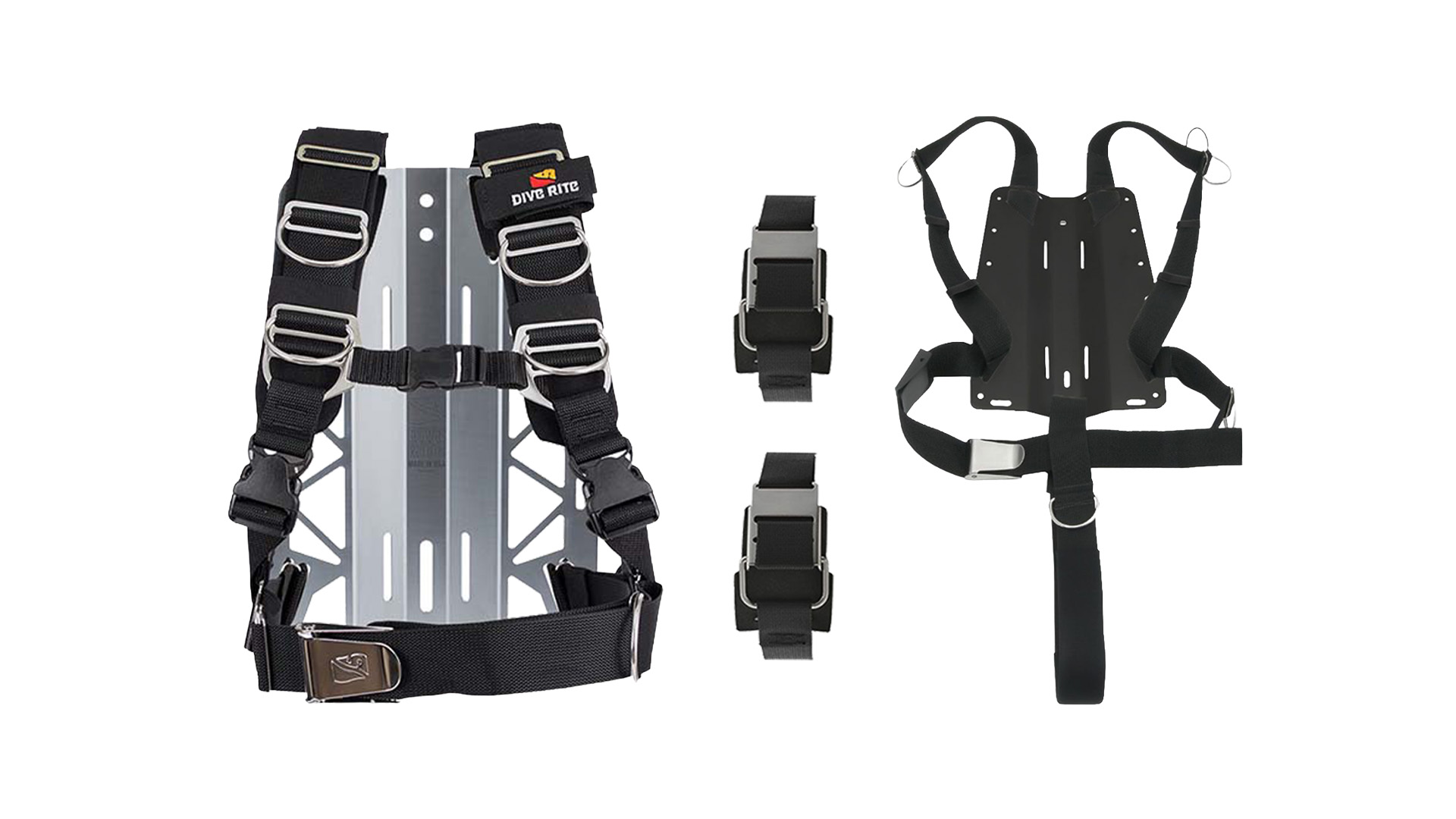
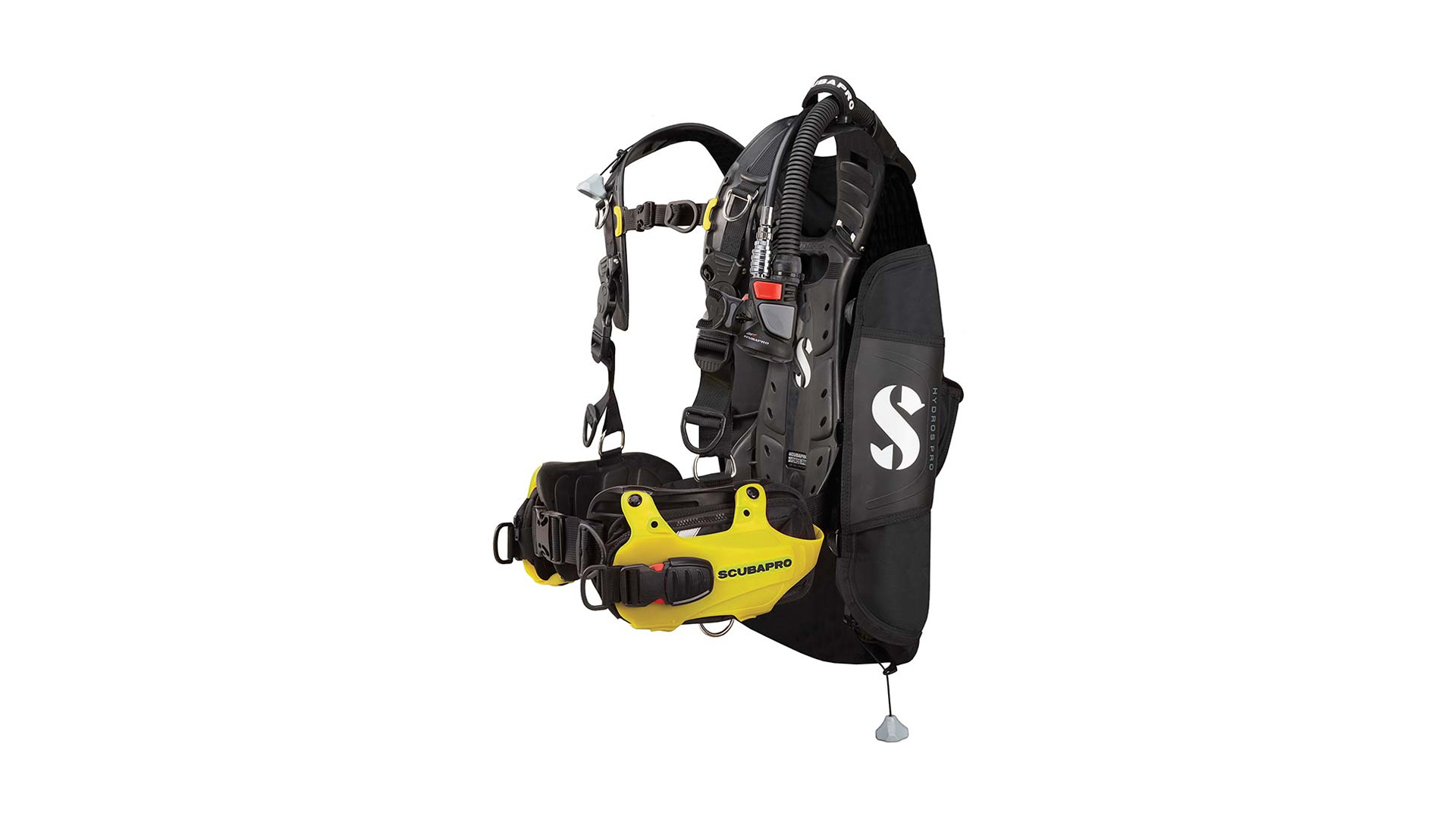
- A weight system is a setup used by divers to achieve neutral buoyancy underwater. It typically consists of weight pockets or belts, plus optional integrated weight systems (IWS) in buoyancy compensator devices (BCDs).
Common weight system configurations
- Belt weights: A traditional approach using a belt with removable lead weights worn around the waist.
- Weight pockets in the BCD: Integrated weights that live in pockets on the BCD, allowing on-the-fly trim adjustments.
- Integrated Weight System (IWS): A combination of integrated pockets in the BCD plus optional belt weight for fine-tuning.
- Backplate and wing systems with weight integration: Modern rigs often use a backplate/wing with 2–4 kg (or more) of integrated ballast, plus occasional belt weights.
Key concepts
- Weight total depends on:
- Breathing gas (more gas expands at depth; however, buoyancy is affected by gas in the bladder of the BCD and in the tank)
- Iron content of the dive (water density)
- Personal buoyancy characteristics (wetsuit thickness, exposure suit gas content, bone density, etc.)
- Negative buoyancy: When a diver needs weights to sink or stay down.
- Positive buoyancy: If a diver becomes buoyant early in a ascent or cannot stay down without extra weight.
- Buoyancy control: Weights are used to achieve neutral buoyancy at the target depth; the BCD is used to fine-tune at the surface and throughout the dive.
Best practices
- Start with a buoyancy check: On the surface, with a fully inflated BCD, check that you sink slowly when you exhale and that you float when you inhale.
- Carry only what you need: Add weights gradually; avoid over-weighting.
- Weight distribution: If using a belt, keep weights secure and not too loose. Integrated weights can help with trim and reduce drag.
- Redundancy and safety: Ensure you have a safe way to ditch weights in an emergency (many divers can dump all weights quickly if needed).
- Regular re-evaluation: As you gain experience, upgrade to a more streamlined or integrated system that matches your buoyancy needs, exposure suit, and diving style.
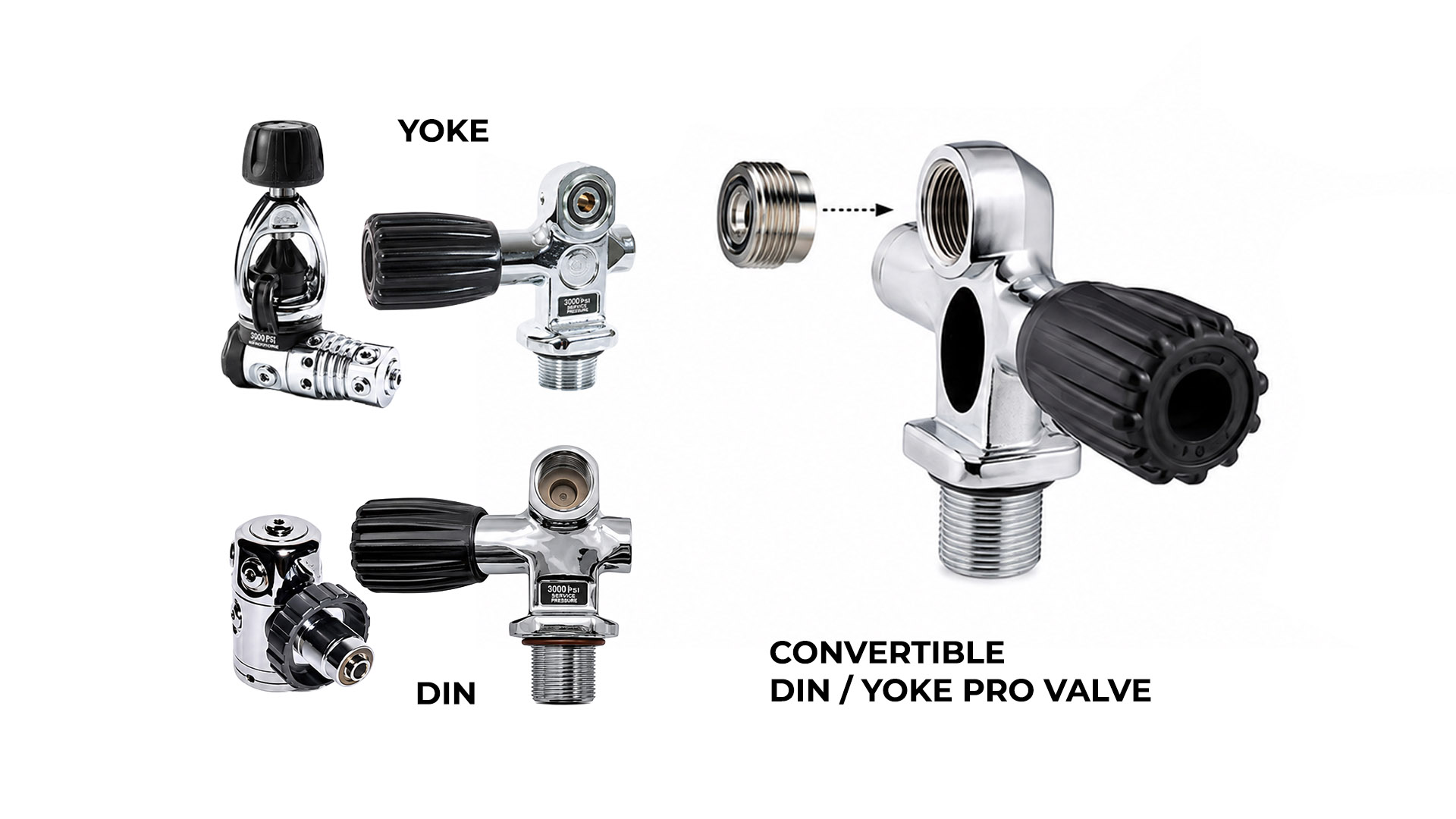
DIN vs Yoke Valve: Guide to Cylinder Fittings
First Stage: Yok or Din
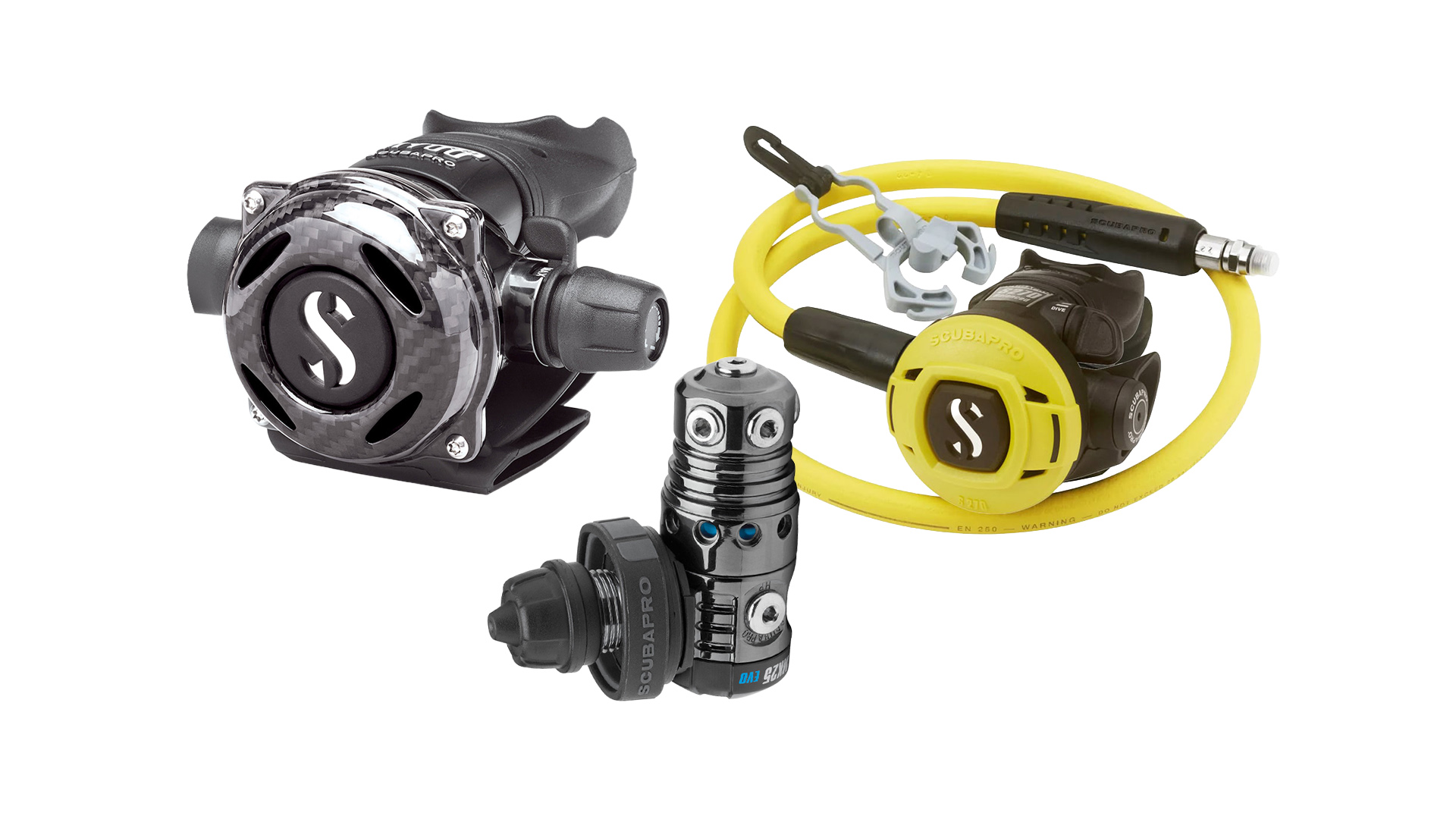
Scuba Dive Regulator: Reliable Air Delivery for Safe Dives
Regulators
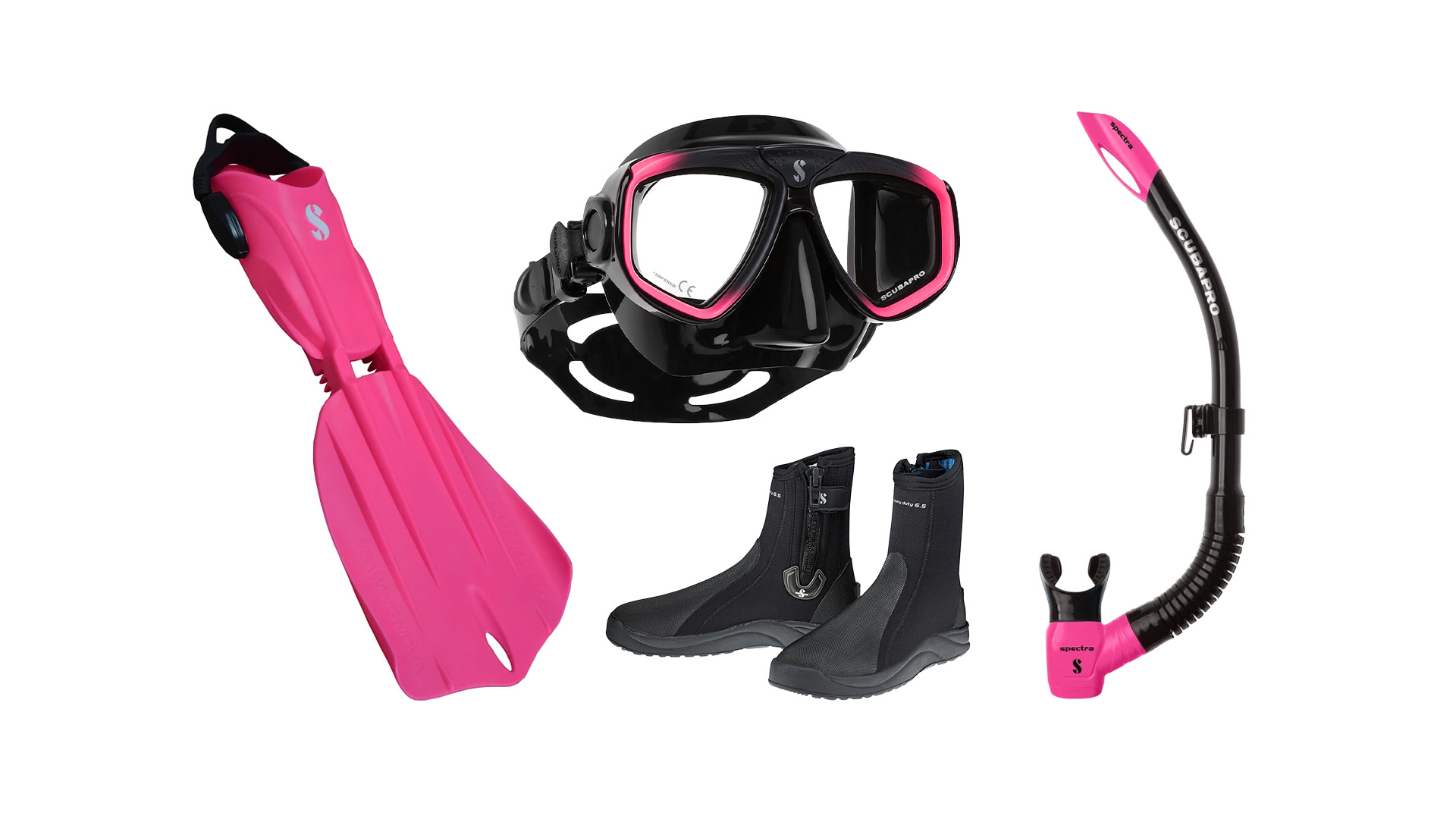
Mask, Fins, & Snorkel: Essential Gear for Every Snorkeler and Scuba Diver.
Mask, Fins & Snorkel
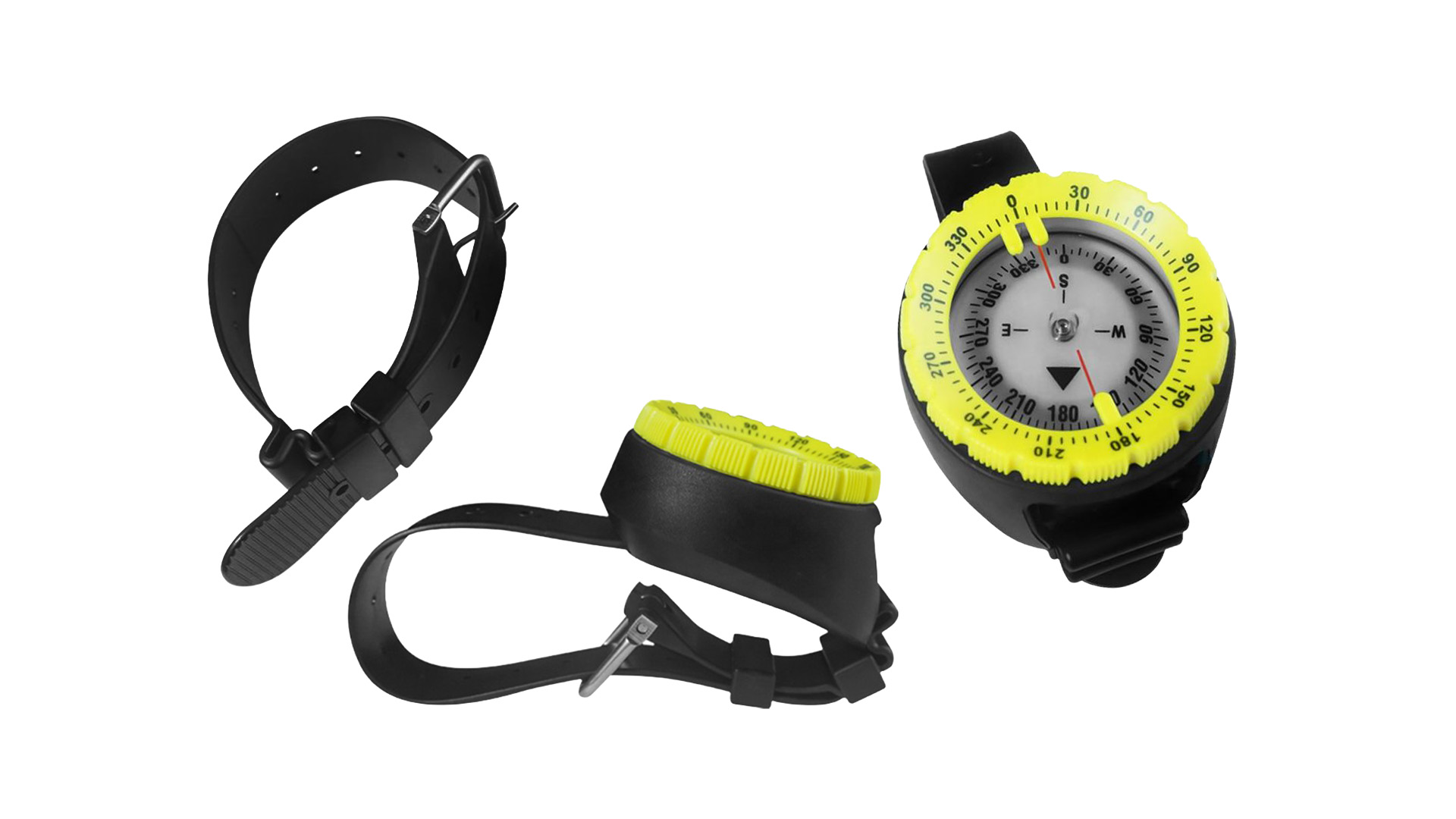
Dive Compass for Precise Underwater Navigation
Compass
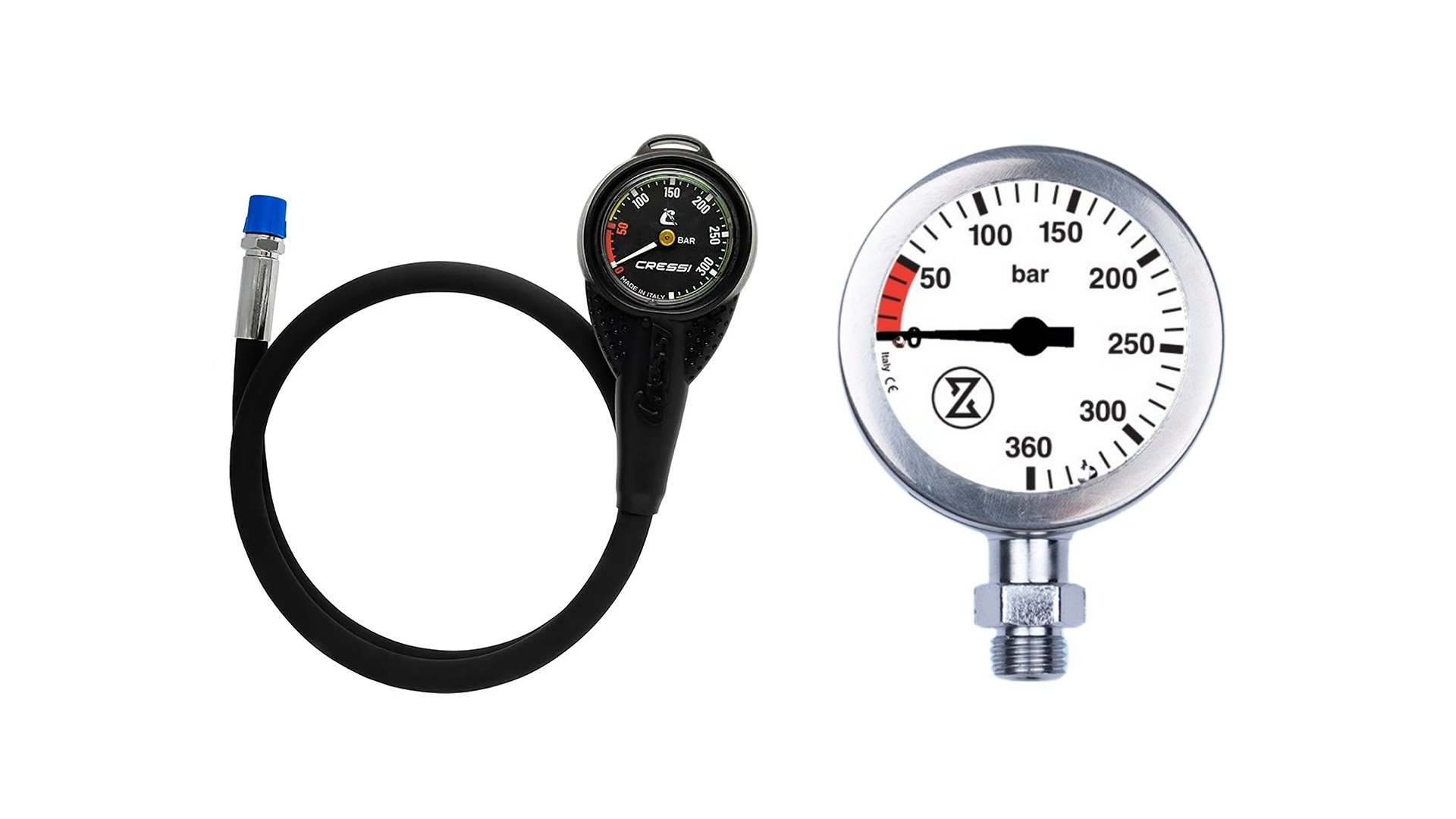
Dive SPG (Submersible Pressure Gauge) — Air Supply Monitoring
SPG stands for Submersible Pressure Gauge.
Key uses and how it works:
Air awareness: Shows you the tank’s remaining pressure (usually in psi or bar) so you can plan your dive and ascent safely.
ETA planning: Helps estimate how long you can stay on the dive site at current depth, guiding turnaround decisions.
Troubleshooting: A quick check tool to verify tank pressure when you’re sharing air or performing safety drills.
Primary display: In many setups, the SPG is connected to the first stage regulator via a high-pressure hose and is read with a rotating dial.
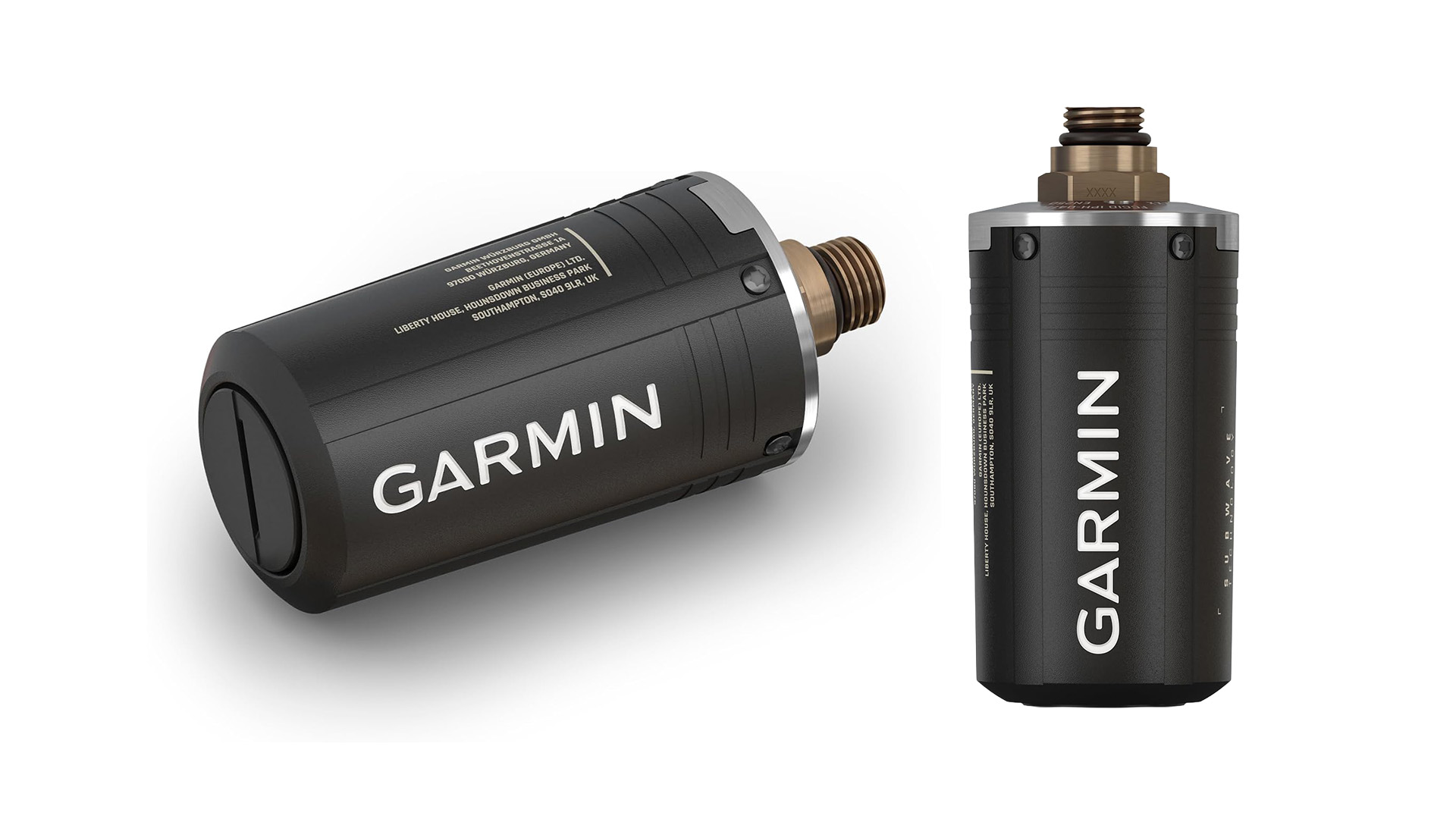
Diving Transmitters: Wireless Air Data Monitoring for Safer Dives
Transmitters
Diving transmitters are integrated devices that continuously send data from your diving gear to a display or console, helping you monitor essential parameters in real time. They’re commonly used to provide wireless or wired readings of tank air pressure, tank depth, and sometimes gas temperature or additional tank data. Here’s a quick breakdown:
SPG transmitter:
- Wirelessly wire to a pressure gauge or dive computer to show remaining air in the cylinder. They improve air-management awareness, especially on multilevel or deco dives.
Depth transmitters:
- Attach to or integrate with a depth sensor to feed depth data to a dive computer, wrist slate, or console.
Multi-parameter transmitters:
- Some systems combine pressure, depth, and sometimes temperature into one wireless unit.
Benefits:
- Real-time monitoring without bulky hoses.
- Early alerts for gas depletion or depth changes.
- Cleaner, streamlined console setup.
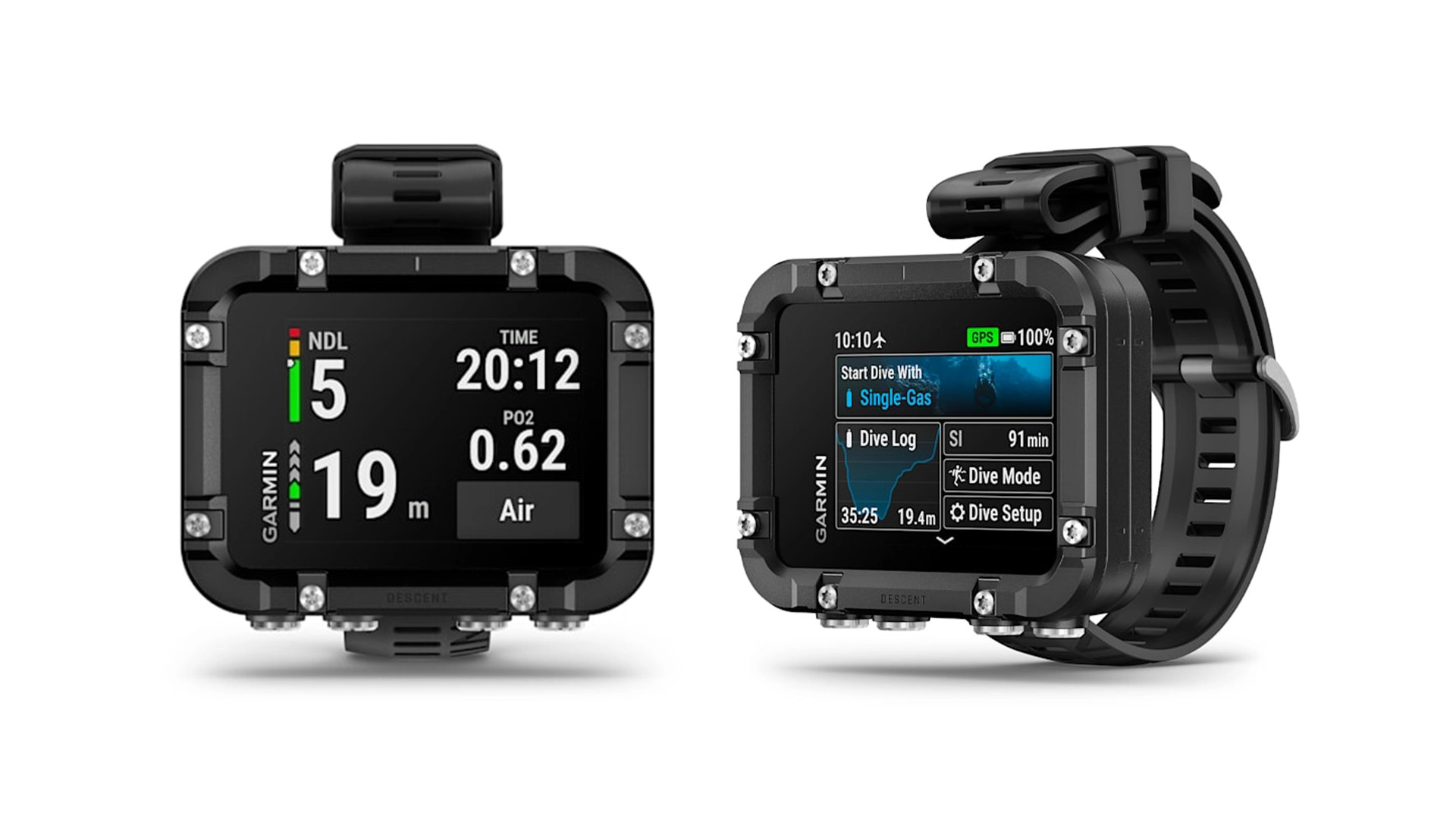
Choosing the Right Dive Computer: A Complete Buyer’s Guide
Discover top dive computers for safety and performance. Compare features, algorithms, and air integration. Buying tips, expert reviews, and setup guidance.
More Questions? We’ve got you Covered!
Frequently Asked Questions
Certification
- How long does it take to complete a course?
- Do I need to prepay for a course or fun dive?
- How much time do I need to dedicate to eLearning?
- Does my course expire?
- Do I need to know how to swim?
- Do I need medical clearance to dive?
- Can I Fly after diving?
- When do I need to take a refresher (ReActivate) session after a period of activity?
- What should I bring when I come diving?
- How long will it take for my certification to be processed?
- Can I scuba dive without certification?
- How deep can I go with my PADI certification or experience?
- Can I dive with a PADI certification anywhere in the world?
- Does PADI certification expire?
- Will I receive a plastic certification card?
- Continue Education
Explore More
- How long does it take to complete a course?
- Do I need to prepay for a course or fun dive?
- How much time do I need to dedicate to eLearning?
- Does my course expire?
- Do I need to know how to swim?
- Do I need medical clearance to dive?
- Can I Fly after diving?
- When do I need to take a refresher (ReActivate) session after a period of activity?
- What should I bring when I come diving?
- How long will it take for my certification to be processed?
- Can I scuba dive without certification?
- How deep can I go with my PADI certification or experience?
- Can I dive with a PADI certification anywhere in the world?
- Does PADI certification expire?
- Will I receive a plastic certification card?
- Continue Education
General Queries
- Operating Hours
- Contact Us
- Payment Method
- Servicing Diving Gear?
- Do You Sell diving gear?
- Cancellation Policy
- Why is Khorfakkan Famous?
- Which Ocean does khorfakkan look at?
- Is khorfakkan good for Scuba Diving?
- Things to pack for diving
Explore More
- Operating Hours
- Contact Us
- Payment Method
- Servicing Diving Gear?
- Do You Sell diving gear?
- Cancellation Policy
- Why is Khorfakkan Famous?
- Which Ocean does khorfakkan look at?
- Is khorfakkan good for Scuba Diving?
- Things to pack for diving
Nitrox eRDPml
- eRDP
- Nitrox eRDPml
Explore More
- eRDP
- Nitrox eRDPml
Think Like a Diver
- The Proper Dive Buddy Check – How Do You Say BWRAF?
- Rules Every Diver Should Follow
- Top 10 Scuba Diving Rules
- 10 Things You Should Never Do Immediately After Diving
- Most Important Scuba Diving Abbreviations & Acronyms
- Diving Signals
- Marine Life Hand Signals
- Dive Briefing
- Boat Diving Guidelines
Explore More
- The Proper Dive Buddy Check – How Do You Say BWRAF?
- Rules Every Diver Should Follow
- Top 10 Scuba Diving Rules
- 10 Things You Should Never Do Immediately After Diving
- Most Important Scuba Diving Abbreviations & Acronyms
- Diving Signals
- Marine Life Hand Signals
- Dive Briefing
- Boat Diving Guidelines
PADI Theory - Physics
- Physics
Explore More
- Physics
PADI Theory - Physiology
- Physiology
Explore More
- Physiology
PADI Theory - Equipment
- Cylinders
- Cylinder Valve
- More Equipment
Explore More
- Cylinders
- Cylinder Valve
- More Equipment
PADI Theory - Dive Skills
- Buoyancy – Proper Weighting Skills
Explore More
- Buoyancy – Proper Weighting Skills
PADI Theory - Environment
- 10 Tips to Save the Ocean
- What is Dive Against Debris?
Explore More
- 10 Tips to Save the Ocean
- What is Dive Against Debris?
Emergency First Response
- What is Emergency First Response (EFR) ?
- Who can take an Emergency First Response provider course?
- What is an AED and why would I want to learn about it?
- How often must I refresh my skills?
- What the Emergency First Response Course Covers?
Explore More
- What is Emergency First Response (EFR) ?
- Who can take an Emergency First Response provider course?
- What is an AED and why would I want to learn about it?
- How often must I refresh my skills?
- What the Emergency First Response Course Covers?
Rescue
- What Is the PADI Rescue Diver Course?
- What Does a Rescue Diver Actually Do?
- How Hard Is It To Become a Rescue Diver?
- What Prerequisites Do I Need To Take Part in a PADI Rescue Diver Course?
- How Many Dives Does It Take To Become a Rescue Diver?
- What Skills Do You Learn During the Rescue Diver Course?
- Why Do I Need First Aid Training To Do the Rescue Diver Course?
- Do I Really Need To Become a Rescue Diver? Is It Worth Taking the Course?
Explore More
- What Is the PADI Rescue Diver Course?
- What Does a Rescue Diver Actually Do?
- How Hard Is It To Become a Rescue Diver?
- What Prerequisites Do I Need To Take Part in a PADI Rescue Diver Course?
- How Many Dives Does It Take To Become a Rescue Diver?
- What Skills Do You Learn During the Rescue Diver Course?
- Why Do I Need First Aid Training To Do the Rescue Diver Course?
- Do I Really Need To Become a Rescue Diver? Is It Worth Taking the Course?
DAN Insurance
- Long term Dan Insurance Plan
- Short Term Dan Insurance Plan
Explore More
- Long term Dan Insurance Plan
- Short Term Dan Insurance Plan